Healthy Snacks for Kids: 30+ Easy Ottawa Parent Ideas

The best healthy snacks for kids are small, balanced mini-meals that combine at least two food groups. Think apple slices with a cube of cheddar, hummus with carrot sticks, or plain yogurt with berries. Canada’s Food Guide makes this the organizing rule: pair a vegetable or fruit with a protein food or whole grain at every snack, and you cover energy, nutrients, and staying power in one shot.
Two rules worth keeping on the fridge:
Prefer whole fruit to juice. The Canadian Paediatric Society caps 100% fruit juice at 125 mL (about half a cup) per day for children. Whole fruit delivers fiber; juice delivers sugar and very little else.
Include protein or a healthy fat. Cheese, nut or seed butter, eggs, and legumes slow digestion and keep kids satisfied until the next meal.
Check the label on packaged snacks. Aim for less than 15% Daily Value (DV) for sodium and watch the added sugars line.
Because dietary vitamin D sources are limited in Canada, Health Canada recommends a daily supplement of vitamin D in recommended amounts for many Canadian children, alongside daily calcium-rich foods like milk, yogurt, or fortified plant-based beverages.
Key Takeaways
Healthy snacks for kids work best when they combine at least two food groups, follow Canada’s 125 mL juice limit, and include a protein or healthy fat to sustain energy between meals.
Point | Details |
Combine two food groups | Pair fruit or veg with a protein or whole grain at every snack, per Canada’s Food Guide. |
Limit juice to 125 mL/day | Whole fruit is preferred; juice adds sugar without the fiber that preserves appetite. |
Supplement vitamin D | Health Canada recommends a daily supplement in recommended amounts for many Canadian children. |
Check sodium on labels | Choose packaged snacks with less than 15% DV sodium to protect long-term taste preferences. |
Pack cold snacks safely | Use an insulated bag with an ice pack; discard perishables left out more than two hours. |
Table of Contents
30+ nutritious snack ideas Ottawa parents can use right now
Organized by category so you can scan by what you have on hand. The Eastern Health school snack guide uses Canada’s Food Guide plate model as its organizing standard: half vegetables and fruit, a quarter whole grains, a quarter protein foods. These ideas follow the same logic.
Fruits and vegetables
Apple slices, pear wedges, or banana halves
Grapes (cut lengthwise for toddlers to reduce choking risk)
Clementine segments, mango cubes, or frozen blueberries
Cherry tomatoes (halved for under-fives), cucumber rounds, bell pepper strips
Steamed broccoli or cauliflower florets (soft-cooked for toddlers)
Unsweetened applesauce in a small cup
Protein-rich snacks
Hard-boiled eggs
Cheese strings or cubed cheddar
Plain Greek yogurt (add fruit yourself to control sugar)
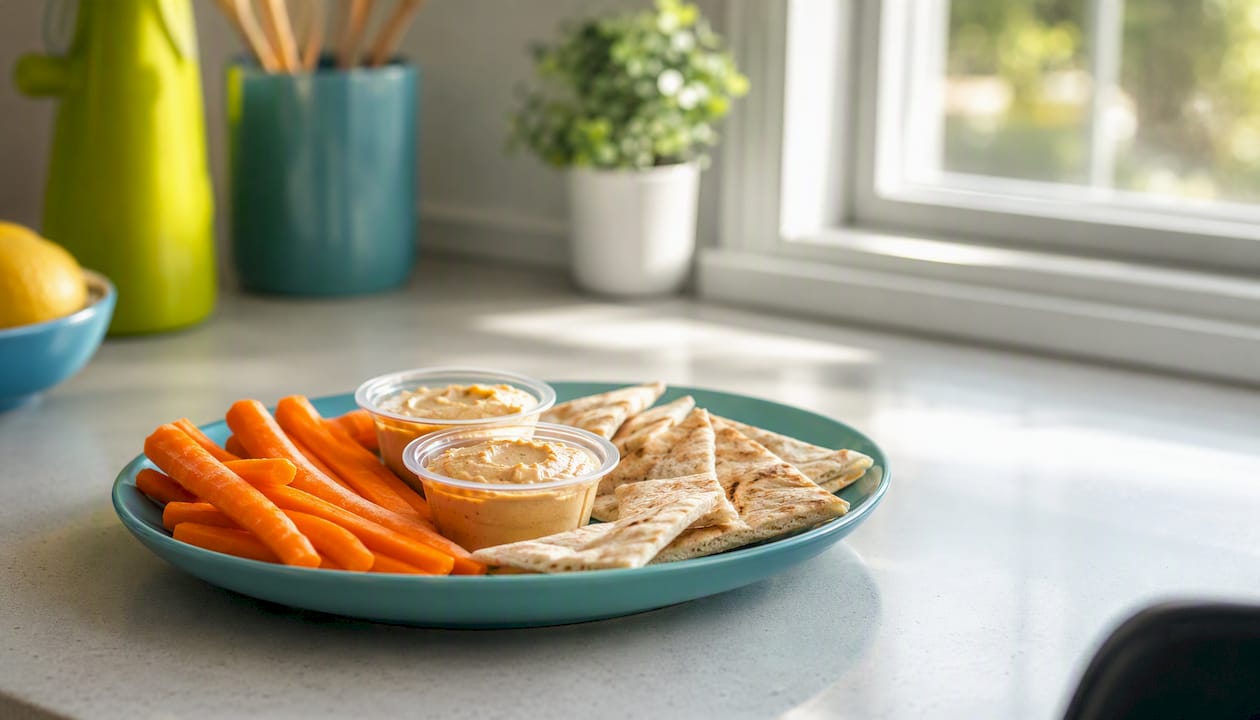
Hummus (store-bought or homemade)
Roasted chickpeas (lightly seasoned, no added salt for young children)
Sunflower seed butter on whole-grain crackers (school-safe nut-free option)
Edamame (shelled, lightly salted)
Whole-grain options
Whole-grain crackers or rice cakes
Mini whole-wheat pita triangles
Oat-based energy bites (see make-ahead section below)
Plain popcorn (air-popped, for children over four)
Whole-grain mini-muffins (banana oat, zucchini)
Dairy and fortified beverages
Plain milk (cow’s or fortified soy, oat, or almond)
Plain yogurt or kefir
Cottage cheese with fruit
Fortified plant-based yogurt alternatives
Balanced combo snacks
Hummus + cucumber rounds + whole-grain pita
Apple slices + almond or sunflower butter
Cheese + whole-grain crackers + grapes
Plain yogurt + berries + a sprinkle of granola
Hard-boiled egg + cherry tomatoes + whole-grain crackers
Mini whole-wheat pita + hummus + shredded carrots
Category | Example snack | Best for |
Fruits & vegetables | Grapes (halved) + cheese cubes | On-the-go, lunchbox |
Protein-rich | Hard-boiled egg + cherry tomatoes | At-home, after school |
Whole grains | Oat energy bites | Make-ahead, lunchbox |
Dairy/fortified | Plain yogurt + berries | At-home, breakfast snack |
Combo | Hummus + pita + cucumber | Lunchbox, daycare |
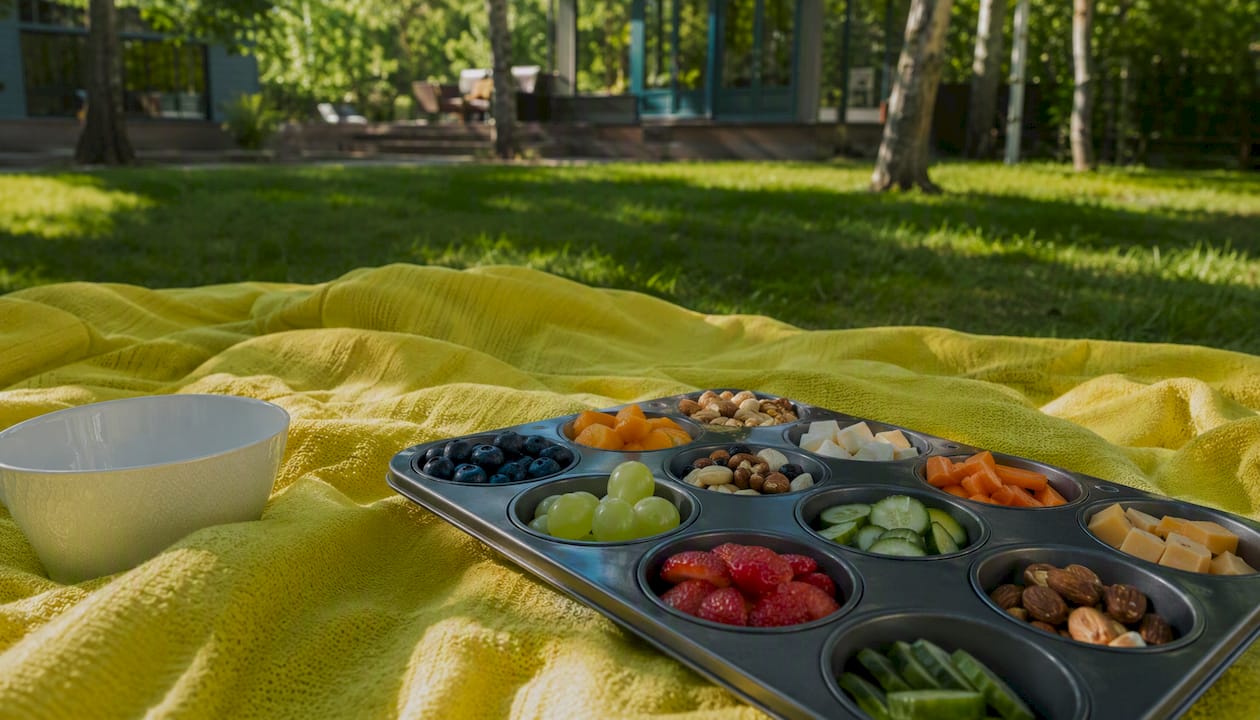
Pro Tip: Arrange snacks in a muffin tin with one item per cup. Kids who might ignore a plate of mixed food will often eat every compartment when it looks like a game.
Make-ahead batch snacks and smart Ottawa school-box packing
Batch prep on Sunday saves real time during the week. These three ideas from Interior Health’s pack-and-go snack guide take under 30 minutes and keep for several days.
3 quick batch recipes
Oat energy bites. Combine 1 cup rolled oats, 3 tablespoons sunflower butter (nut-free), 2 tablespoons honey, and 2 tablespoons mini chocolate chips. Roll into balls and refrigerate. Keeps for up to 5 days. One or two bites pair well with a piece of fruit for a complete snack.
Banana oat mini-muffins. Mash 2 ripe bananas, mix with 1 cup rolled oats, 1 egg, and a pinch of cinnamon. Bake at 350°F for 12 minutes in a mini-muffin tin. No added sugar needed. Store in an airtight container for 3 days or freeze for up to 1 month.
Pre-cut veggie and hummus packs. Slice carrots, celery, cucumber, and bell pepper on Sunday. Portion into small reusable containers with 2 tablespoons of hummus per container. Keeps refrigerated for 4 days. Grab-and-go ready every morning.
Packing checklist for school or daycare
Insulated bag with a freezer ice pack for any perishable item (yogurt, cheese, cut fruit, hummus).
Thermos for warm snacks like oatmeal or soup; preheat with boiling water before filling.
Reusable, leak-proof containers sized for the child’s portion (smaller is better for toddlers).
Label each container with the child’s name and the date, especially for daycare drop-off.
Nut-free swaps: Replace peanut or tree-nut butter with sunflower, pea, or soy butter. Use sealed single-serve packs for daycare compliance. Roasted chickpeas and pumpkin seeds also work as crunchy protein alternatives.
Good kitchen organization makes this routine much faster. A dedicated snack shelf at child height means kids can help themselves to pre-portioned items without rummaging through the whole fridge.
How much and when to serve snacks in Ottawa: age-based guidance
Young children have small stomachs. They genuinely need fuel between meals, not just because they ask for it. Health Canada’s public health guidance recommends setting regular snack times, typically mid-morning and mid-afternoon, and letting the child decide how much to eat once the food is offered.
Toddlers (1–3 years) do well with very small portions: a few tablespoons of each food, offered two to three times between meals. Textures matter here. Soft-cooked vegetables, small cubes of cheese, and mashed fruit reduce choking risk.
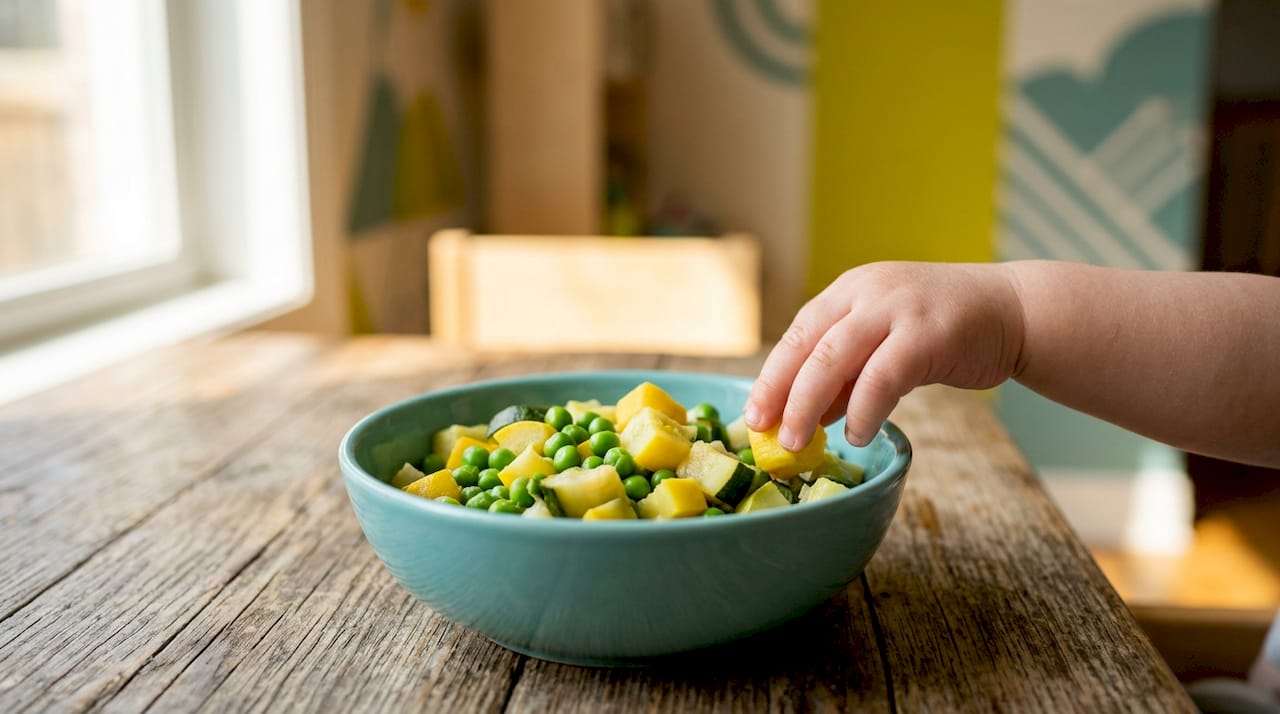
Preschoolers (3–5 years) can handle slightly larger portions and more variety. A quarter-cup of yogurt with a few berries, or two to three whole-grain crackers with hummus, is a reasonable serving. Avoid large chunks of raw vegetables or whole grapes.
School-age children (6–12 years) often need a more substantial after-school snack because the gap between lunch and dinner can stretch four to five hours. A combo snack with a protein source (cheese, egg, legumes) and a whole grain or fruit works well here.
Guideline | Value | Source |
100% fruit juice limit (children) | 125 mL (4 oz) per day | Canadian Paediatric Society |
Vitamin D supplement recommendation | a daily supplement in recommended amounts | Health Canada |
Sodium label threshold (packaged snacks) | Less than 15% DV | PMC / Health Canada |
Canada’s Food Guide plate model applies to snacks just as it does to meals: aim for a combination of at least two food groups at every snack sitting. A piece of fruit alone is fine occasionally, but pairing it with a protein or whole grain keeps energy steadier and appetite for the next meal intact.
Safety and allergen guidance for Ottawa families
The single most important safety rule: match food texture and size to the child’s age, check your school’s allergy policy before packing, and keep perishable snacks cold with an insulated bag and ice pack. Everything else follows from those three habits.
Choking and food preparation safety
Cut grapes, cherry tomatoes, and large berries lengthwise for children under five.
Soft-cook raw vegetables (carrots, broccoli) for toddlers; raw sticks are fine for school-age children.
Avoid whole nuts for children under four; nut butters spread thinly on crackers are safer.
Cut cheese into small cubes rather than serving large chunks.
Air-popped popcorn is appropriate for children over four only.
Avoid hard candies, large marshmallows, and whole cherry tomatoes for toddlers.
Storage and food safety
Perishable snacks (yogurt, cut fruit, cheese, hummus) must stay below 4°C. Use an insulated bag with an ice pack and discard anything left out for more than two hours.
Preheat a thermos with boiling water before filling with warm food; it should stay above 60°C until eaten.
Refrigerate returned containers immediately and check for leftovers before re-packing.
Reading nutrition labels for sodium and sugar
Packaged snack foods often contain more sodium and added sugar than parents expect. Research on sodium and childhood health shows that early exposure to high-sodium foods shapes long-term taste preferences, making it harder for children to enjoy lower-salt foods later. The practical fix: look at the % Daily Value column on the Nutrition Facts table. A target for sodium content that is relatively low compared to typical packaged snacks is the target. For sugars, check the ingredients list for added sugars (glucose, sucrose, corn syrup, dextrose) rather than relying on the total sugars number, which includes natural sugars from fruit and dairy.
Pro Tip: Compare two similar products side by side in the store. The one with the shorter ingredients list and lower % DV for sodium is almost always the better choice, even if the front-of-pack label says “natural” or “wholesome.”
Allergen swaps for nut-free schools
Sunflower seed butter, pea butter, or soy butter in place of peanut or almond butter
Roasted chickpeas or pumpkin seeds as crunchy protein alternatives
Seed-based granola bars (check labels for cross-contamination warnings)
Hummus as a dip in place of any nut-based spread
An Ottawa parent’s perspective on making snacks actually work
We’ve seen it work time and again: the simplest way to get a child to eat a new vegetable is to let them pick it themselves. Ottawa’s farmers’ markets, including the Ottawa Farmers’ Market, run from spring through fall and give kids a direct connection to where food comes from. When a child picks out a purple carrot or a small zucchini at a market stall, they are far more likely to eat it at snack time than if it simply appears on a plate. Health Canada’s guidance on involving kids in meal prep backs this up: age-appropriate tasks like picking produce, measuring ingredients, or assembling their own snack box build food skills and increase willingness to try new foods.
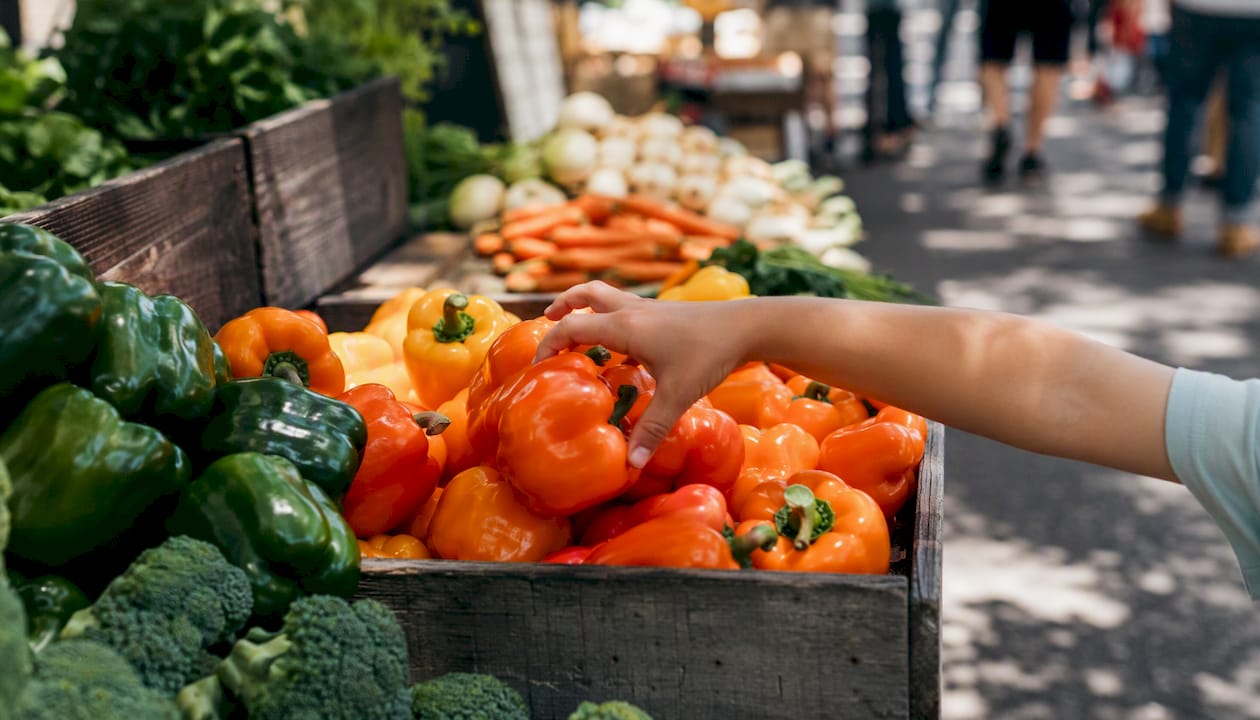
Seasonal produce in Ottawa also makes this easier. Strawberries in June, corn and tomatoes in August, apples and squash through October: each season brings something new to rotate into the snack lineup without any extra effort. A child who helped choose the apples at the market is the child who asks for apple slices with cheese after school.
For families focused on making the kitchen a space where kids genuinely want to spend time, Ottawacabinetpainting shares practical home resources on transforming your kitchen into a family hub that complement these snack habits well.
Sources
These Canadian sources provide the detailed guidance behind the advice in this article.
Recommended


Comments