When to Avoid Painting Cabinets – Lasting Results Matter
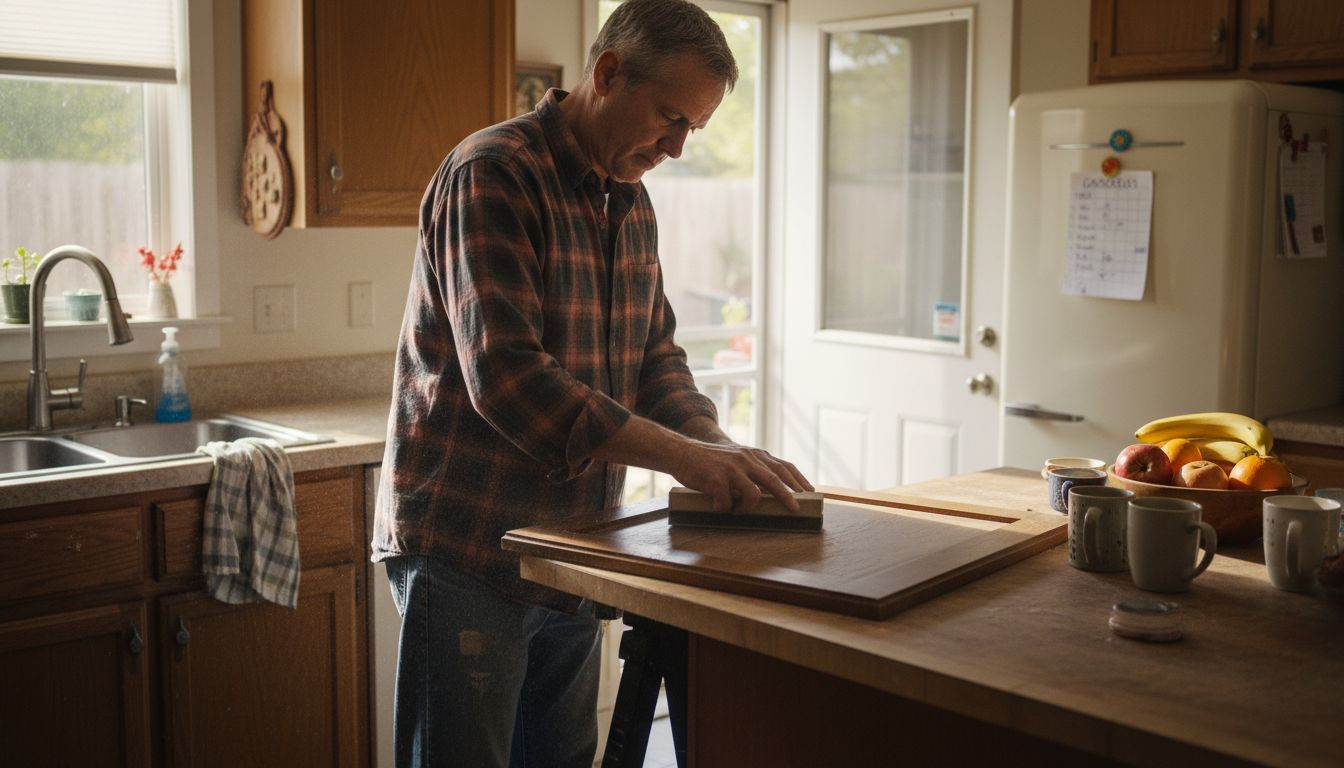
Scrambling to refresh your kitchen without the stress, only to wonder if cabinet painting will actually last? For many Ottawa homeowners, juggling a full schedule means home improvements need to be reliable and worth every dollar. Understanding the true limits of cabinet painting as a surface treatment helps you avoid wasted effort and ensures your upgrade is both beautiful and practical for the long run.
Table of Contents
Key Takeaways
Point | Details |
Understanding Limits of Cabinet Painting | Cabinet painting is effective only on structurally sound cabinets; it cannot fix underlying issues like water damage or structural failures. |
Material Compatibility is Crucial | Not all materials, such as laminate and melamine, are suitable for painting, leading to potential failures if not assessed correctly. |
Surface Preparation is Key | Inadequate surface preparation often leads to paint failures; thorough cleaning, sanding, and priming are essential to ensure lasting results. |
Consider Alternatives When Necessary | When cabinets show significant damage or are made from unpaintable materials, options like refacing or replacement may provide better long-term results. |
Defining Cabinet Painting and Its Limits
Cabinet painting sounds straightforward on the surface. You have old cabinets. They need a fresh look. Paint them and move on, right? The reality is more nuanced. Cabinet painting is a specialized surface treatment that applies protective and decorative coatings to existing cabinet structures, but it operates within specific boundaries that matter for lasting results. Understanding what cabinet painting can and cannot do is the difference between a kitchen transformation that lasts for years and one that disappoints you within months.
When professionals talk about cabinet painting, they’re referring to a process that includes thorough surface preparation, strategic primer application, and multiple coats of specialized paint to achieve a smooth, durable finish. This work falls under what contractors classify as decorative and protective coating work, which involves detailed preparation such as scraping, sanding, and priming before any paint touches the surface. However, painting cabinets has clear limits. It cannot fix structural damage like warped doors, broken hinges, or rotted wood. It cannot replace missing panels or repair water damage that has compromised the underlying material. And here’s where many Ottawa homeowners run into trouble: painting cannot solve problems that exist beneath the surface. If your cabinets have mold, excessive moisture damage, or failing wood, paint becomes a cosmetic band-aid on a deeper issue. The paint may look beautiful initially, but it will fail because the foundation is unstable.
The distinction matters because many homeowners confuse what cabinet painting can achieve with what cabinet replacement can achieve. Painting refreshes the appearance of sound cabinet structures. It transforms tired finishes into showroom-quality surfaces. It preserves your kitchen layout and avoids the chaos of full renovation. But painting assumes one critical condition: your cabinets are structurally sound beneath that tired exterior. When you consider surface preparation and proper painting techniques, the EPA specifically notes that lasting results depend on correct practices and situational appropriateness. In older homes, this might include addressing lead-based paints safely before refinishing can happen. The point is straightforward. Painting works brilliantly when the cabinet structure is good and you want a new aesthetic. Painting fails when structural problems exist or when moisture and humidity issues persist in your kitchen environment.
For Ottawa homeowners with busy lifestyles, this distinction has real implications for your decision-making process. A kitchen painted last year shouldn’t show peeling or blistering today. If it does, the problem likely traces back to either inadequate surface preparation before painting or an underlying condition that wasn’t addressed beforehand. This is why professionals spend considerable time preparing cabinets before applying a single drop of paint. They’re not charging you extra to be thorough; they’re ensuring your investment holds up through years of daily kitchen use, moisture exposure, and temperature changes that Ottawa homes experience through the seasons.
To help clarify what cabinet painting truly accomplishes versus other solutions, here’s a summary table:
Method | Aesthetic Impact | Repairs Structural Issues | Typical Lifespan |
Painting | Dramatic color change | No | 5-10 years |
Refacing | Completely new look | No | 10-20 years |
Replacement | Full style flexibility | Yes | 20+ years |
Refinishing (stain) | Enhances wood grain | No | 7-15 years |
Pro tip: Before scheduling any cabinet painting, have a professional evaluate your cabinets for structural soundness and moisture issues, especially if you’ve noticed any swelling, soft spots, or previous paint failures.
Cabinet Materials Unsuitable for Painting
Not all cabinet materials are created equal when it comes to painting. This is where many Ottawa homeowners hit a wall. You look at your cabinets and think “they just need a fresh coat of paint,” but the material underneath might be working against you. Some cabinet types simply do not accept paint reliably, no matter how skilled the painter or how much prep work happens beforehand. Understanding which materials resist paint helps you avoid investing time and money into a project destined to fail.
Laminate cabinets present one of the biggest challenges. Laminate is essentially a plastic coating fused to particleboard, and that plastic surface is designed to resist moisture and wear. Unfortunately, it also resists paint adhesion. Standard paint beads up and flakes off laminate surfaces because there is simply nothing for the paint to grip. Some laminates, particularly older ones with a thick glossy finish, create an impenetrable barrier. You could prime and paint, but the results typically show peeling and blistering within months because the paint cannot form a true bond with the material. Similarly, high-gloss veneered surfaces cause adhesion problems. If your cabinets have that slick, plastic-looking finish, paint struggles to adhere without aggressive sanding and specialized primers that may still not guarantee lasting results. Melamine cabinets, another budget-friendly option found in many homes, fall into this difficult category as well. The melamine coating is smooth and non-porous, which makes it extraordinarily resistant to paint. Metal cabinets present their own challenges. While metal can technically be painted, it requires specific metal primers and techniques to prevent rust and ensure the paint does not peel away. Many Ottawa homes with metal storage cabinets or vintage metal kitchen components discover that standard interior paint simply does not work on these surfaces.
When evaluating compatible coatings based on substrate type, the reality is straightforward: certain cabinet surfaces require special treatment or are not worth the investment. Particle board with thin veneers often falls into this category. The veneer layer is too delicate to sand properly without exposing the crumbly particleboard beneath, and particleboard itself swells when exposed to moisture, causing paint to crack and fail. Any cabinet with a sealed or polyurethane-coated finish also resists standard paint. These protective coatings were applied to resist damage, and they resist paint equally well. Cabinets with water damage, mold, or soft spots should never be painted, regardless of material. Painting over these problems traps moisture inside, accelerates decay, and creates a health hazard. The paint may look acceptable for a few months, but underneath, the cabinet is deteriorating. Custom cabinets made from unusual composite materials sometimes present mysteries too. Without knowing the exact composition and finish, painters cannot guarantee adhesion and durability.
Here is where the decision becomes practical for your household. If you are uncertain about your cabinet material, a professional assessment costs far less than discovering paint failure six months after completion. Some materials, like solid wood with conventional finishes, paint beautifully with proper prep work and hold up for years. Others, like laminate and melamine, simply do not cooperate no matter what technique is used. For Ottawa homeowners hoping to upgrade your kitchen affordably, painting works brilliantly on the right materials. But choosing to paint unsuitable materials wastes money and creates frustration. This is why professionals evaluate cabinets carefully before committing to a project. They know which materials respond well to painting and which ones will disappoint you. Spending time determining your cabinet material type upfront prevents expensive mistakes later.
Understanding how different cabinet materials react to paint helps avoid costly mistakes:
Material Type | Paint Compatibility | Special Considerations |
Solid wood | Highly compatible | Needs thorough prep |
Laminate | Poor adhesion | Often peels or blisters quickly |
Melamine | Very poor, resists paint | May require replacement or refacing |
Metal | Possible with correct primer | Risk of rust, requires expertise |
Veneer over particle board | Fragile, often unsuited | Veneer may lift or crack |
Polyurethane-coated | Resists most paints | Needs strong bonding primer |
Pro tip: Run your fingernail or a coin edge lightly along an inconspicuous part of your cabinet to test the finish; if it scratches easily to reveal bare wood, your cabinets are likely paintable, but if it resists scratching completely, you may have laminate or melamine that will reject paint.
Common Situations When Painting Fails
Paint failure is not random. It does not happen because you were unlucky or chose the wrong color. Paint fails for specific, identifiable reasons, and understanding these situations helps you avoid becoming another cautionary tale. When cabinet paint peels, blisters, or cracks within months of application, something went wrong in the process or the conditions were not right for painting to succeed. For Ottawa homeowners who have invested money and patience into a cabinet painting project, watching it deteriorate is frustrating and expensive. The good news is that most failures are preventable when you know what to watch for.
Moisture is the silent killer of cabinet paint. This is particularly relevant in Ottawa, where humidity fluctuates dramatically with the seasons and kitchens experience constant exposure to steam and moisture. If cabinets absorb water before painting or moisture seeps in after painting, the paint loses adhesion and begins to blister and peel. This happens when painters fail to address underlying moisture problems or when cabinets are painted in high-humidity environments without proper drying time between coats. Kitchen cabinets sit near dishwashers, sinks, and stoves, all constant sources of moisture. If the cabinet structure itself has absorbed water or the finish was not adequately sealed after painting, water vapor continues to push against the paint from underneath, creating bubbles that eventually rupture. Similarly, inadequate surface preparation accounts for a massive percentage of paint failures. If cabinets were not properly cleaned, sanded, or primed before painting, the paint has nothing to grip. Dirt, grease, and existing coatings create a slick surface that paint cannot bond to. According to research on common causes of paint failure, inadequate surface preparation stands at the top of the list, alongside moisture presence and incompatible substrates. Many homeowners or inexperienced painters rush this stage, thinking they can save time. You cannot. Skipping proper prep is like trying to stick a sticker onto a dusty surface; it simply will not hold.
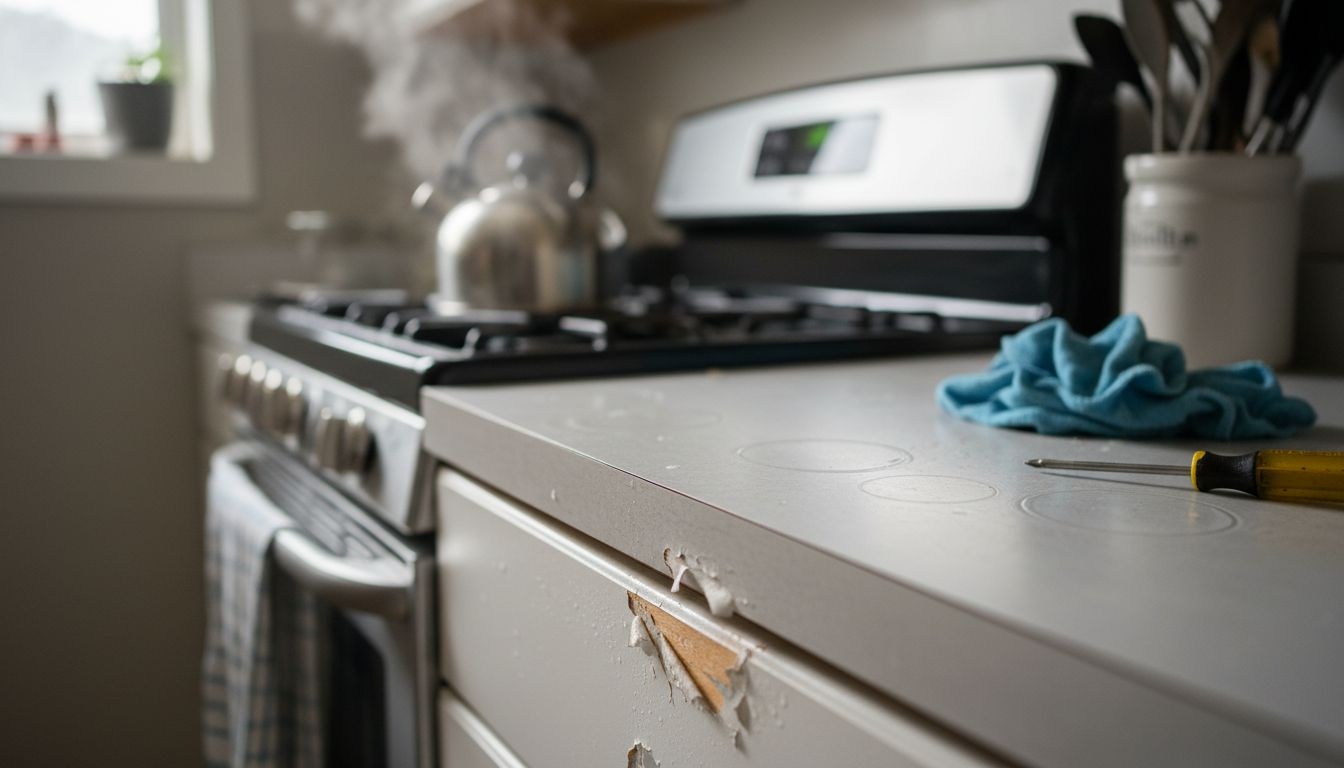
Applying paint in wrong environmental conditions creates another predictable failure point. Painting cabinets when humidity levels are too high, temperatures are too cold, or ventilation is insufficient causes paint to dry improperly. Paint applied in humid conditions may appear fine initially, but moisture trapped in the paint layer causes adhesion failure over time. Cold temperatures prevent paint from curing correctly, leaving a soft, vulnerable finish. Painting in unsuitable weather or humidity alongside insufficient drying time between coats creates conditions for peeling and cracking that become visible weeks or months later. This is why professional painters pay close attention to timing and environmental factors; they are not being fussy, they are protecting your investment. Additionally, using incompatible primers or low-quality paint sets up failure from the start. Some primers are designed for specific substrates and do not work universally. Applying the wrong primer over laminate or glossy surfaces results in poor adhesion regardless of application quality. Budget paints often lack the durability and adhesion properties needed for cabinets that experience daily wear, heat, and moisture exposure. Over time, cheap paint simply breaks down faster. Finally, painting over existing failures without addressing root causes creates a cycle of repeated problems. If your old cabinet finish was peeling or blistering, painting over it without removing that failed layer means the new paint inherits the same problems. The failure underneath will continue, pushing the new paint off the substrate.
For busy Ottawa homeowners, the lesson is clear: shortcuts in cabinet painting lead to visible failures that cost more to fix than doing it right the first time. Professional painters spend significant time on surface preparation and application techniques because they know this directly determines whether your painted cabinets last years or months. They control humidity and temperature. They verify compatibility between substrate and coating. They allow proper drying between coats. They address moisture issues before painting begins. This is not busywork; this is the difference between lasting results and disappointment.
Pro tip: If you notice any blistering, soft spots, or previous paint failure on your cabinets before painting, address those areas completely by scraping back to bare wood and allowing thorough drying before any new primer or paint is applied.
Durability Risks and Maintenance Concerns
Painted cabinets are not “set it and forget it” investments. They require ongoing attention, and understanding the durability risks helps you maintain them properly over time. When you paint cabinets, you are creating a protective layer that shields the underlying wood or material from daily wear, humidity, and temperature changes. But that protective layer itself experiences stress. Kitchen environments are harsh on paint. Steam from cooking, heat from appliances, moisture from dishwashing, and the simple friction of opening and closing cabinet doors all contribute to paint degradation. For Ottawa homeowners, seasonal temperature swings from winter cold to summer heat add another layer of stress that painted finishes must endure. When paint fails to hold up under these conditions, your cabinets start showing their age rapidly, and the costs to refinish multiply.
Paint discoloration and chalking represent the most visible early signs of durability problems. Over time, UV exposure fades paint color, particularly on cabinets positioned near windows or under bright kitchen lighting. The paint surface begins to lose its sheen and develops a dull, powdery appearance called chalking. This is not just cosmetic; it indicates that the paint coating is breaking down at a microscopic level. Once chalking begins, the paint has lost much of its protective ability. Cracking and peeling follow as painted cabinets age or experience environmental stress. Wood expands and contracts with humidity changes, and if the paint cannot flex with this movement, it cracks. In kitchens with poor ventilation or high humidity, moisture penetration accelerates this cracking process. Peeling occurs when the paint bond weakens, typically due to inadequate prep work initially or ongoing moisture problems. These issues are not merely cosmetic problems; they expose the underlying cabinet material to water damage, staining, and further deterioration. According to research on environmental exposure and paint degradation, paint discoloration and cracking are common maintenance concerns directly caused by environmental exposure, which can require repainting or refinishing sooner than expected.
The maintenance burden of painted cabinets depends heavily on the quality of the original work and your kitchen environment. Poorly prepared cabinets or low-quality paint may require touch-ups or full repainting within three to five years. Well-executed cabinet painting with premium products and proper application can last significantly longer, often seven to ten years or more before major refinishing is needed. However, this assumes consistent maintenance. Your painted cabinets need regular cleaning with appropriate products; harsh abrasives or acidic cleaners damage the finish. They need prompt attention if spills occur, especially near hinges and edges where moisture can seep underneath. They benefit from occasional light buffing to maintain appearance and protect the finish. For busy Ottawa households, this ongoing maintenance commitment is real. You cannot simply wash your painted cabinets the same way you might have washed them before painting. The finish is more delicate than solid wood stain or natural finishes.
The durability risk that often surprises homeowners is how quickly problems compound. A small area of peeling leads to moisture infiltration, which leads to swelling or staining, which requires more extensive repair work than addressing the peeling alone. A single cabinet door showing color fading can eventually affect the entire kitchen if not properly maintained. This is why selecting coatings suited to your kitchen environment matters so much. High-traffic kitchens need paint formulated for durability and cleanability. Kitchens with high humidity need finishes that resist moisture better. Professional cabinet painters account for these factors when recommending paint specifications. They also typically apply specialized topcoats or sealers that extend the life of the painted finish and make maintenance easier. For Ottawa homeowners hoping to avoid expensive repairs, the investment in quality painting and premium protective coatings upfront directly reduces your long-term maintenance burden and extends the time between refinishing projects. Understanding these durability factors helps you make informed decisions about whether cabinet painting makes sense for your situation and what level of maintenance commitment you are taking on.
Pro tip: Establish a simple cleaning routine using only gentle soap and water, immediately blot any spills or moisture on your painted cabinets, and perform a quick visual inspection every season to catch small issues like peeling or discoloration before they require major refinishing.
Smart Alternatives to Painting Cabinets
Sometimes the smartest decision is not to paint. If your cabinets have structural issues, unsuitable materials, or if the durability concerns outlined earlier apply to your situation, exploring alternatives makes far more sense than investing in cabinet painting that will disappoint you. The good news is that you have options beyond painting and full replacement that can transform your kitchen affordably while delivering better results. For Ottawa homeowners with busy lifestyles, understanding these alternatives helps you choose the right path based on your cabinet condition, budget, and how long you want the results to last.
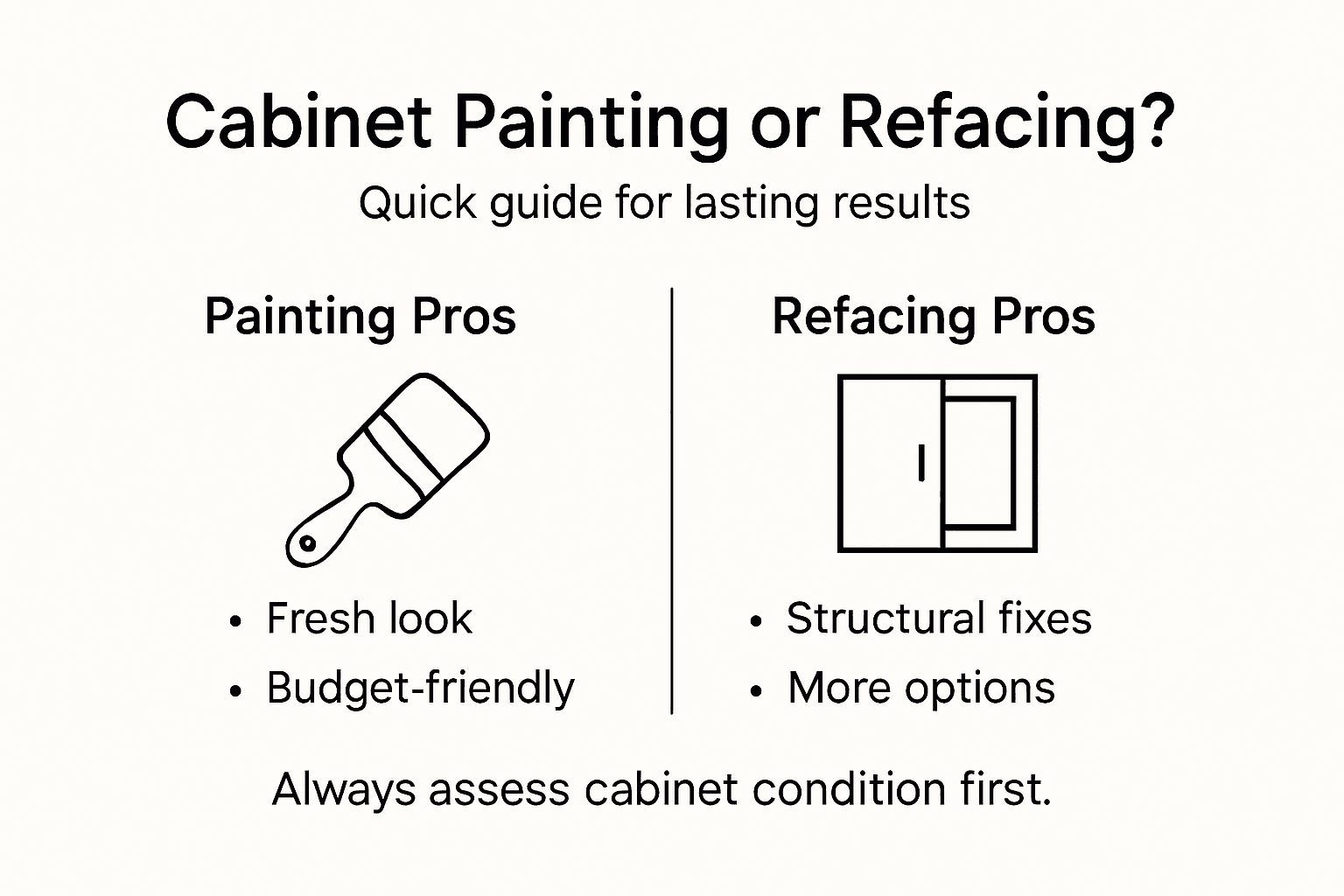
Cabinet refacing stands as the most practical alternative when painting is not suitable. Refacing involves replacing the visible surfaces of your existing cabinets while keeping the cabinet boxes and framework intact. This means new door and drawer fronts, new hardware, and often new edge banding or side panels. The structure you already have stays, so you avoid the chaos of full renovation. Refacing costs less than replacement but typically more than painting, yet it delivers dramatically superior durability and longevity compared to painted finishes. When you reface cabinets, you are applying actual wood veneer, laminate, or solid wood surfaces, not paint. These materials are inherently more durable and require less ongoing maintenance than painted finishes. If your cabinets have good bones but worn-out appearances, or if they are made from materials that resist painting, refacing solves the problem permanently. According to research on refacing versus replacing kitchen cabinets, refacing offers a cost-effective and less invasive solution that updates the visible surfaces while keeping the existing framework, providing enhanced durability and aesthetics beyond simple painting.
Full cabinet replacement becomes necessary when your cabinets have failed beyond repair or when you want to completely reimagine your kitchen layout. Replacement costs more and takes longer than painting or refacing, but it gives you absolute control over style, size, configuration, and material quality. New cabinets come with modern hinges, soft-close drawers, better organization, and durability guarantees. For kitchens with aging cabinets that have absorbed water damage, mold, or structural failures, replacement is the only solution that truly addresses underlying problems. It is also the right choice if you need different cabinet sizes, want to reconfigure your kitchen layout, or require accessibility modifications. While replacement represents a significant investment, many Ottawa homeowners discover that spreading costs over a renovation timeline makes it more manageable than they initially thought.
Refinishing with stain or specialized coatings offers another path when your cabinets are solid wood and do not have the surface issues that complicate painting. Refinishing strips existing finishes and applies new stain or penetrating oil finishes that enhance wood grain and character. This approach preserves the natural beauty of wood and typically requires less ongoing maintenance than paint. However, refinishing only works for solid wood cabinets in good condition; it cannot help with laminate, veneer, or damaged surfaces. For kitchens with beautiful wood cabinets that simply look tired, refinishing can be transformative. Updating hardware and styling elements without changing the cabinet finish itself sometimes provides surprising impact. New cabinet handles, hinges, and knobs cost little and instantly modernize the appearance. Adding open shelving, removing cabinet doors on select units, or installing glass-front doors completely changes how your kitchen feels without touching the cabinet finish. These tactical changes work well when your cabinet finish is actually sound but the overall style feels dated.
The decision between painting, refacing, refinishing, and replacement depends on your cabinet condition, material type, budget, and desired longevity. If your cabinets are structurally sound and made from paintable materials like solid wood, painting is the most affordable option with reasonable durability when done correctly. If your cabinets are made from challenging materials like laminate, have moderate damage, or you want better durability, refacing becomes the smarter choice. If your cabinets are failing or you want complete customization, replacement is worth the investment. For busy Ottawa homeowners trying to balance cost and results, having this clarity upfront prevents regrettable decisions. A professional cabinet assessment can help you understand which path makes sense for your specific situation and budget.
Pro tip: Before deciding on painting, have a professional evaluate your cabinet material, condition, and your kitchen environment to recommend the option that will give you the best value and longest-lasting results for your investment.
Ensure Lasting Beauty with Expert Cabinet Painting in Ottawa
The article highlights the critical challenge many homeowners face: knowing when not to paint cabinets and instead choose alternatives that deliver lasting results. If you are worried about peeling paint, moisture damage, or unsuitable cabinet materials like laminate or melamine, you are not alone. These are common pain points that cause frustration and wasted money. At Ottawa Cabinet Painting, we understand these concerns deeply. We focus on thorough surface preparation and use premium paints designed for durability to transform sound cabinets into stunning, modern focal points without the disruption and cost of full replacement.
Do not risk short-lived results or paint failure. Explore our proven refinishing process that balances beauty and longevity while preserving your kitchen layout and minimizing household chaos. Want to avoid costly mistakes with your cabinet project? Visit Ottawa Cabinet Painting to learn how our expert team ensures your cabinets are properly evaluated before painting. Discover why so many homeowners choose us for professional cabinet painting and refinishing solutions that come backed by a 6-year warranty. Take the first step today toward a kitchen makeover that lasts by contacting us for a consultation and quote.
Frequently Asked Questions
When should I avoid painting my cabinets?
Painting should be avoided if your cabinets have structural issues, such as warped doors, broken hinges, or water damage. Also, if the cabinet material is laminate, melamine, or high-gloss veneer, paint may not adhere properly.
What are the common signs that my cabinets shouldn’t be painted?
Common signs include visible damage like swelling, soft spots, peeling paint from previous applications, or a slick, shiny finish that feels like plastic. If you notice these issues, it’s best to seek alternatives to painting.
How can I determine if my cabinets are paintable?
Run a fingernail or a coin along an inconspicuous area of your cabinet. If it scratches away easily to reveal bare wood, it’s likely paintable. If it resists scratching, you may have laminate or melamine that would reject paint.
What are alternative options if I can’t paint my cabinets?
Consider cabinet refacing, which replaces the visible surfaces while keeping the structure intact, or refinishing, which involves applying a new stain to solid wood cabinets. If the damage is significant, full cabinet replacement might be necessary.
Recommended
Comments