Kitchen Cabinets Layout: Maximizing Space and Style
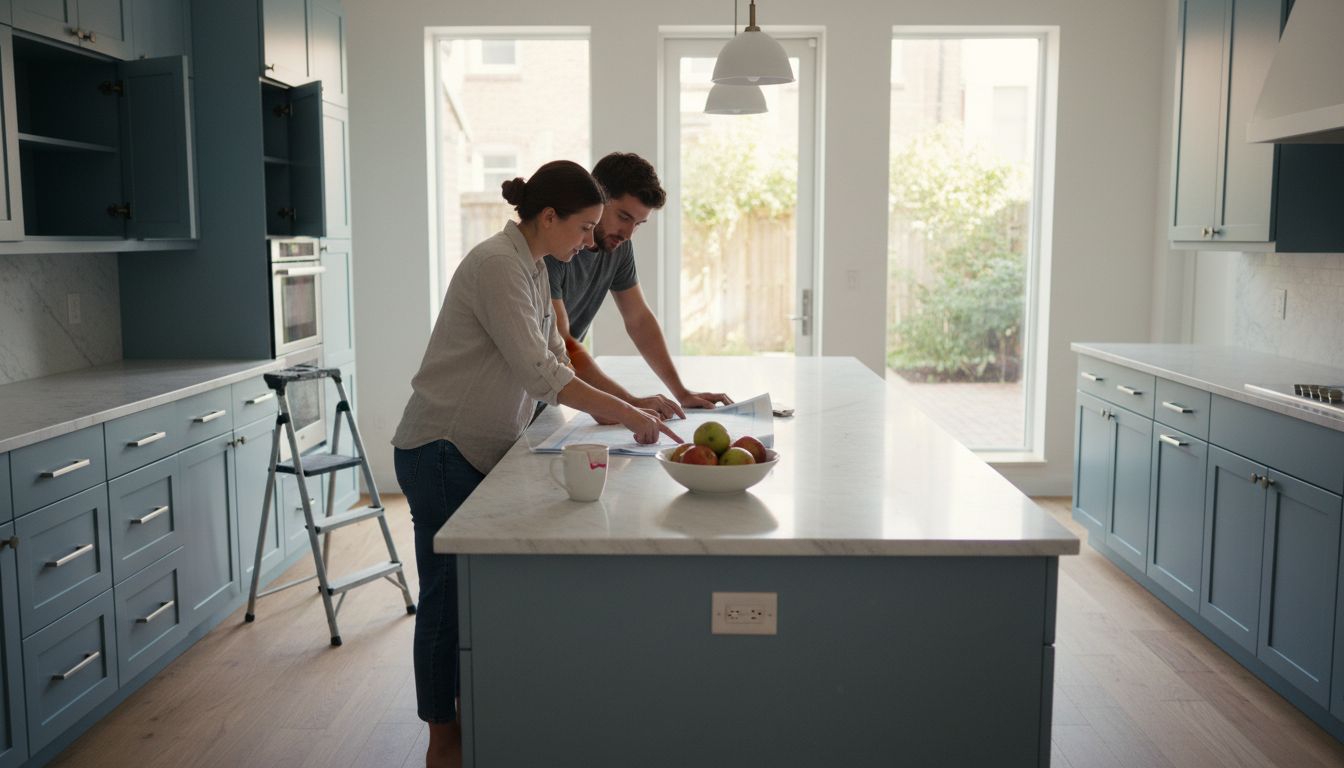
Over 80 percent of American homeowners say the kitchen is the heart of their home. Choosing the right cabinet layout shapes not just how your kitchen looks but how it actually works for daily life. With the right layout, clutter disappears, meal prep runs smoother, and every inch gains purpose. This guide breaks down essential kitchen cabinet layouts, offering ideas that can help transform any American kitchen into a space where function meets style.
Table of Contents
Key Takeaways
Point | Details |
Kitchen Work Triangle | The work triangle connecting the sink, refrigerator, and cooking area is essential for efficient kitchen design. Keeping these points 4 to 9 feet apart allows for seamless navigation and optimal workflow. |
Cabinet Layout Configurations | Five primary kitchen layouts (Single Wall, Galley, L Shaped, U Shaped, and Island) each offer unique advantages and can be tailored to specific space and lifestyle needs. |
Storage and Aesthetics | Modern kitchens should combine effective storage solutions with visual appeal, using intelligent designs like glass-front cabinets and integrated appliances to enhance both function and style. |
Planning and Common Mistakes | Strategic planning is crucial to avoid common pitfalls, such as neglecting workflow efficiency and underestimating storage needs, which can lead to costly redesigns and inefficient layouts. |
Defining Kitchen Cabinets Layout Basics
Understanding kitchen cabinet layout fundamentals transforms your cooking space from merely functional to remarkably efficient. The core principle involves creating a strategic arrangement that balances aesthetic appeal with practical workflow. Kitchen cabinet configurations are not just about storage but about designing an intuitive environment where movement feels natural and seamless.
The foundational concept in kitchen design is the work triangle, a strategic positioning connecting three primary zones: the sink, refrigerator, and cooking area. This principle ensures minimal disruption and maximum efficiency during meal preparation. Professional designers recommend keeping these points approximately 4 to 9 feet apart, creating an invisible pathway that allows smooth navigation without congestion. Different kitchen layouts accommodate this triangle uniquely - from compact single wall arrangements to expansive U shaped designs that provide ample workspace.
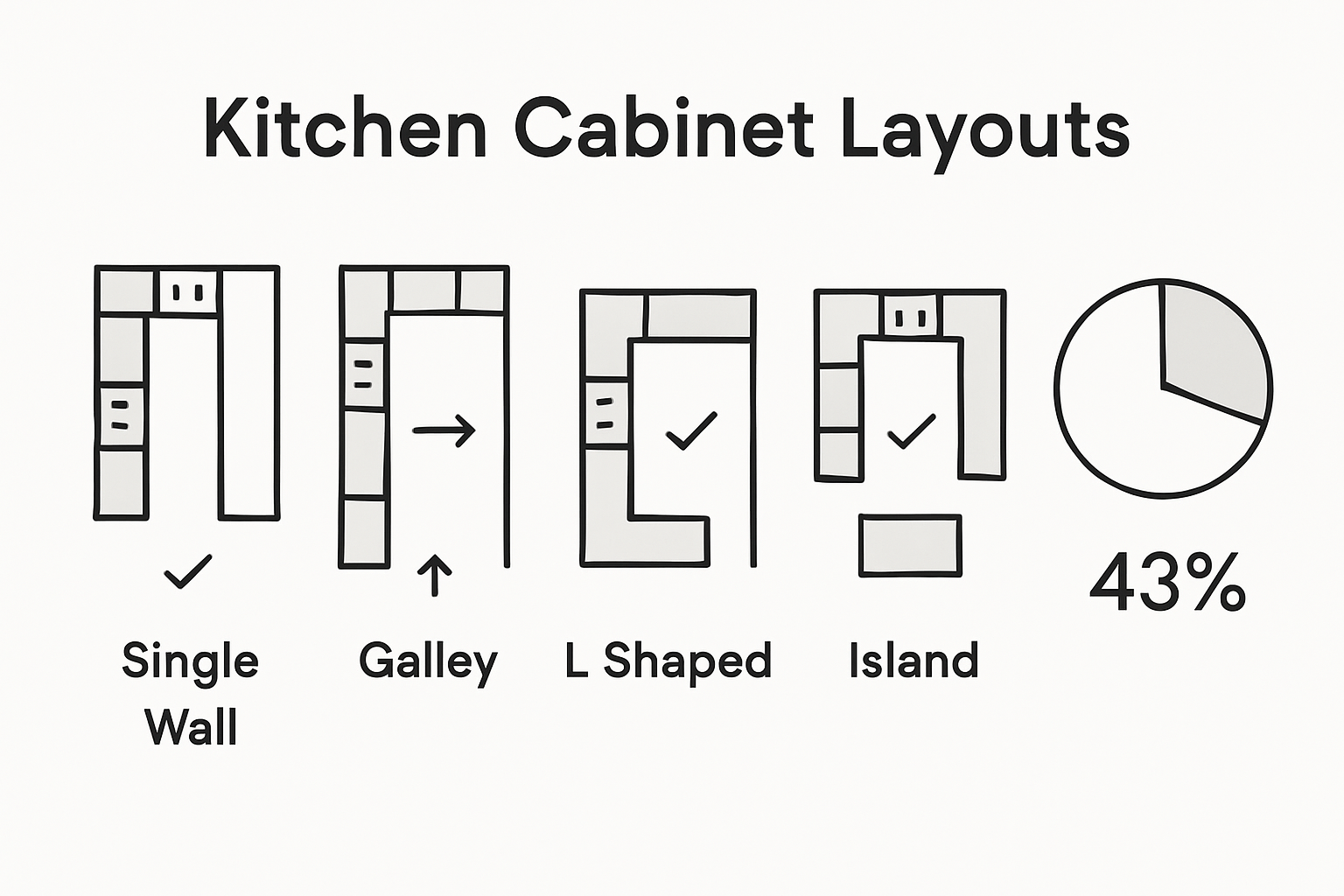
Kitchen layouts typically fall into five primary configurations, each with distinct advantages:
Single Wall Layout: Perfect for small spaces, aligning all elements along one wall
Galley Layout: Parallel counters creating an efficient corridor style kitchen
L Shaped Layout: Provides excellent workflow and potential for breakfast bar integration
U Shaped Layout: Maximizes storage and preparation space with three wall coverage
Island Layout: Adds additional workspace and serves as a social centerpiece
Successful cabinet layout design goes beyond mere arrangement. Kitchen cabinet storage solutions must anticipate your specific cooking habits, family needs, and available space. Consider factors like appliance size, cooking frequency, and storage requirements when planning. The goal is creating a personalized kitchen ecosystem where every inch serves a purposeful function, transforming cooking from a chore into an enjoyable experience.
Comparing Cabinet Layout Styles and Trends
Modern kitchen design has evolved dramatically, offering homeowners unprecedented flexibility in cabinet layout and styling. Emerging design trends demonstrate a shift towards more personalized, functional spaces that seamlessly blend aesthetics with practical requirements. Today’s kitchen layouts are no longer just about storage, but about creating adaptable environments that reflect individual lifestyle and design preferences.
Color and material selections play a crucial role in contemporary cabinet design. Green tones have emerged as a standout trend, offering versatility from deep saturated hues to soft muted shades. These color choices do more than beautify - they connect interior spaces with natural elements, creating a sense of tranquility and organic harmony. Kitchen designers are increasingly incorporating materials and finishes that blur traditional boundaries, introducing textures and colors that transform cabinets from mere storage solutions into artistic expressions.
Innovative layout styles are revolutionizing kitchen functionality:
Large Islands: Serving multiple purposes beyond cooking
Hidden Kitchen Concepts: Integrating appliances for clean, streamlined appearances
Smart Technology Integration: Embedding technological features directly into cabinetry
Biophilic Designs: Incorporating natural materials and organic design elements
The most successful kitchen layouts now prioritize adaptability and personal expression. Open concept kitchen designs reflect a broader trend towards spaces that are not just functional, but serve as social hubs where cooking, entertaining, and daily life seamlessly intersect. By understanding current trends and being willing to personalize standard configurations, homeowners can create kitchen spaces that are both contemporary and timeless.
Planning Cabinet Placement for Functionality
Successful kitchen design hinges on strategic cabinet placement that transforms cooking spaces from merely functional to extraordinarily efficient. Kitchen configuration principles emphasize creating intuitive workflows that minimize unnecessary movement and maximize productivity. The fundamental goal is designing a kitchen where every cabinet and appliance placement feels purposeful and natural.

The work triangle remains a critical concept in cabinet placement strategy. This principle connects three primary zones - sink, refrigerator, and cooking area - to create seamless navigation. Professional designers recommend maintaining 4 to 9 feet between these points, ensuring smooth transitions without cramped movements. Different kitchen layouts accommodate this triangle uniquely, from compact single wall arrangements to expansive U shaped designs that provide comprehensive workspace coverage.
Key considerations for optimal cabinet placement include:
Proximity to primary cooking zones
Accessibility of frequently used items
Ergonomic height considerations
Natural traffic flow patterns
Maximizing vertical storage potential
Innovative storage solutions can dramatically enhance functionality. Kitchen organization strategies now incorporate smart features like appliance garages, pull-out shelving, and corner unit lazy Susan mechanisms. These design elements transform traditional cabinet spaces into highly adaptable storage solutions that accommodate modern cooking and lifestyle needs. By thoughtfully planning cabinet placement, homeowners can create kitchen environments that are not just visually appealing, but genuinely supportive of daily culinary activities.
Maximizing Storage and Visual Appeal
Crafting a kitchen that balances exceptional storage capacity with stunning visual design requires strategic planning and innovative solutions. Modern kitchen design strategies demonstrate that storage and aesthetics are not mutually exclusive, but complementary elements that can transform ordinary spaces into extraordinary culinary environments. The key lies in selecting cabinet designs that serve multiple purposes while maintaining a cohesive, elegant appearance.
Visual appeal emerges through thoughtful material selection, color coordination, and intelligent storage solutions. Glass-front cabinets offer a perfect blend of functionality and style, allowing homeowners to display cherished dishware while creating depth and visual interest. Clever design techniques like integrated appliance garages can conceal less frequently used equipment, maintaining clean lines and reducing visual clutter. Corner cabinets with rotating lazy Susan shelves maximize typically underutilized spaces, providing accessible storage without compromising the kitchen’s aesthetic flow.
Innovative storage solutions that enhance visual appeal include:
Vertical pull-out pantry units
Sliding cabinet organizers
Hidden compartments for small appliances
Integrated lighting within cabinet spaces
Mix of open and closed storage options
Kitchen storage optimization goes beyond mere functionality. Modern homeowners seek designs that tell a story, reflecting personal style while solving practical storage challenges. By carefully balancing sleek surfaces, strategic shelving, and intelligent organizational systems, kitchens can become spaces that are not just efficient, but genuinely inspiring - transforming everyday cooking areas into the heart of the home.
Cost, Risks, and Common Mistakes to Avoid
Navigating kitchen cabinet design requires strategic planning to mitigate potential financial and functional risks. Common kitchen design mistakes often stem from overlooking critical elements that can dramatically impact both budget and usability. Homeowners frequently underestimate the complexity of creating a kitchen layout that balances aesthetic appeal with practical functionality.
The most significant financial risks emerge from poor initial planning. Typical pitfalls include neglecting the critical work triangle, which can result in inefficient movement patterns and costly redesigns. Inexperienced designers might prioritize visual trends over functional needs, leading to expensive cabinet configurations that fail to serve the household’s actual cooking and storage requirements. Professional designers recommend allocating approximately 10-15% of your total budget as a contingency fund to address unexpected challenges during the renovation process.
Critical mistakes to avoid in kitchen cabinet planning:
Ignoring workflow efficiency
Underestimating storage requirements
Choosing style over functionality
Neglecting appliance integration
Failing to consider future needs
Overlooking proper measurements
Disregarding lighting and electrical considerations
Kitchen renovation strategies ultimately depend on comprehensive planning and realistic expectations. Successful projects balance aesthetic desires with practical constraints, recognizing that true value comes from creating a space that serves your family’s unique lifestyle. By understanding potential risks and approaching the design process methodically, homeowners can transform potential pitfalls into opportunities for creating truly exceptional kitchen environments.
Transform Your Kitchen Cabinets into a Stunning and Functional Space
Maximizing your kitchen cabinet layout means balancing style and space with practical functionality. The challenges you face in creating the perfect work triangle, optimizing storage, and enhancing visual appeal can feel overwhelming. Ottawa Cabinet Painting understands these concerns and offers a cost-effective solution that refreshes your kitchen’s look without the disruption or expense of a full renovation. Our professional cabinet refinishing service breathes new life into your existing layout, preserving your carefully planned workflow while introducing modern elegance.
If your goal is to enhance your kitchen’s style, increase durability, and avoid common design pitfalls discussed in this article, start with our trusted refinishing process. We emphasize meticulous preparation and premium paint application to deliver a smooth, lasting finish backed by a 6-year warranty. Don’t settle for less or risk chaotic renovations. Discover how to elevate your kitchen cabinets today by exploring our services at Ottawa Cabinet Painting. Take the first step toward a high-end kitchen transformation that respects your space, budget, and lifestyle with professional cabinet painting and refinishing. Ready to revitalize your kitchen cabinets now Visit Ottawa Cabinet Painting to request a free quote and start your journey toward a beautiful, efficient kitchen.
Frequently Asked Questions
What is the work triangle in kitchen design?
The work triangle is a foundational concept that connects the three primary zones in a kitchen: the sink, refrigerator, and cooking area. Maintaining a distance of 4 to 9 feet between these points promotes an efficient workflow during meal preparation.
What are the different kitchen cabinet layout types?
There are five primary kitchen cabinet layouts: Single Wall, Galley, L Shaped, U Shaped, and Island. Each layout has its unique advantages, catering to different space sizes and cooking styles.
How can I maximize storage in my kitchen cabinets?
To maximize storage, consider incorporating solutions such as vertical pull-out pantry units, hidden compartments for small appliances, and corner cabinets with lazy Susan shelves. These designs utilize space effectively while keeping the kitchen organized.
What common mistakes should I avoid when planning my kitchen cabinet layout?
Common mistakes include ignoring workflow efficiency, underestimating storage needs, prioritizing style over functionality, neglecting appliance integration, and failing to take proper measurements. Thorough planning can help avoid these pitfalls.
Recommended

Comments